
Disc gap sensors and control systems
Refiner control
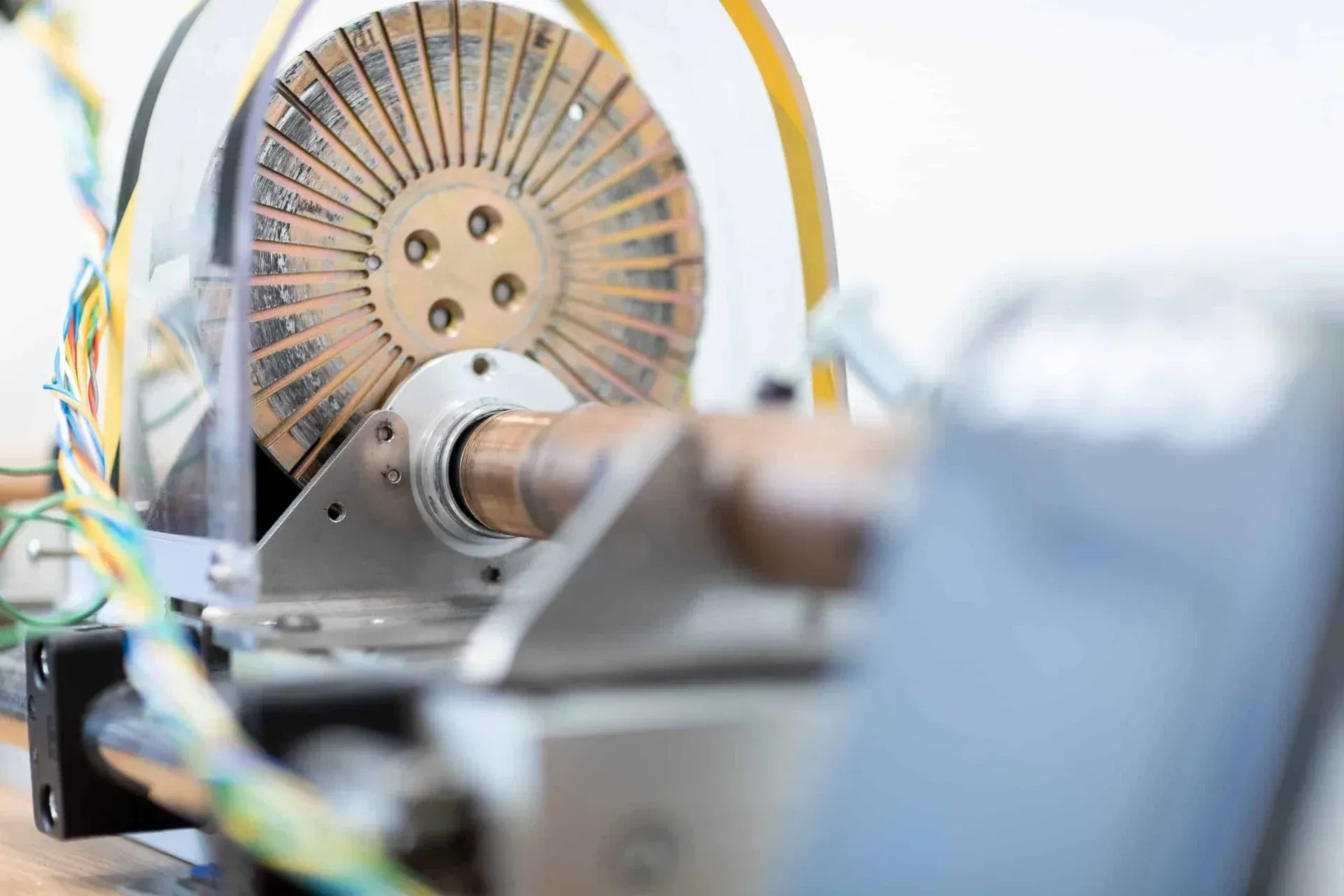
The disc clearance sensor (TDC) was developed already in the 1970s with the aim of measuring the distance between the plates in refiners for pulp production. The goal was to enable steering of the distance between the grinding segments to control the quality in the process.
The sensors are manufactured with very high precision to meet the high demands on reliability placed in these harsh industrial environments.
Products
Sensors and systems
A further development led to a complete system, today called GMS, which makes it possible, in addition to distance, to also measure and display temperature, vibration and conductance inside the refiner, among other things. The system gives our customers the possibility of delivering high and consistent quality in production throughout the entire process.
-
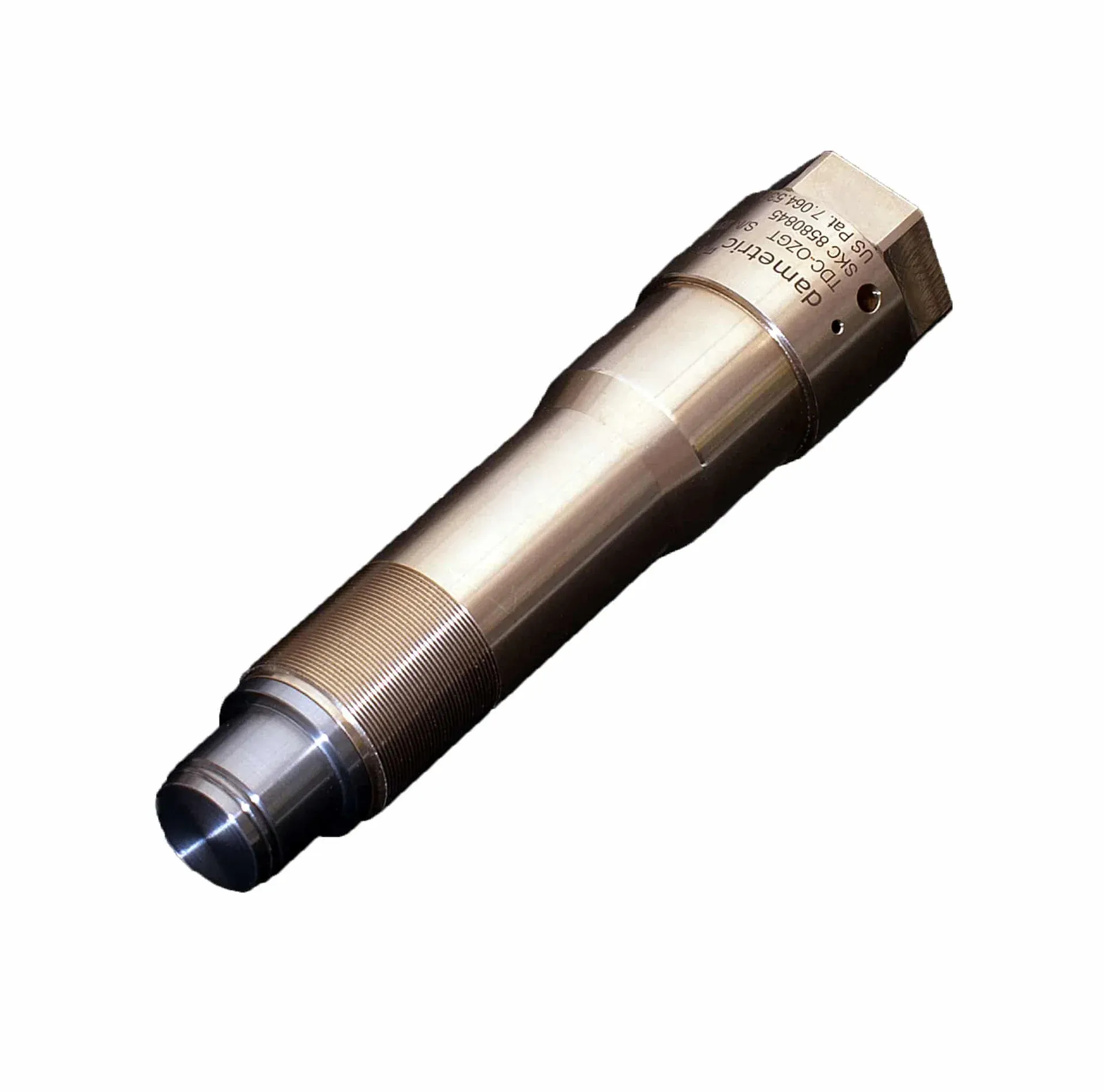 TDC True Disc Clearance Measures the distance between the grinding plates. Used in refiners from Valmet since the 1970s. Read more about TDC
-
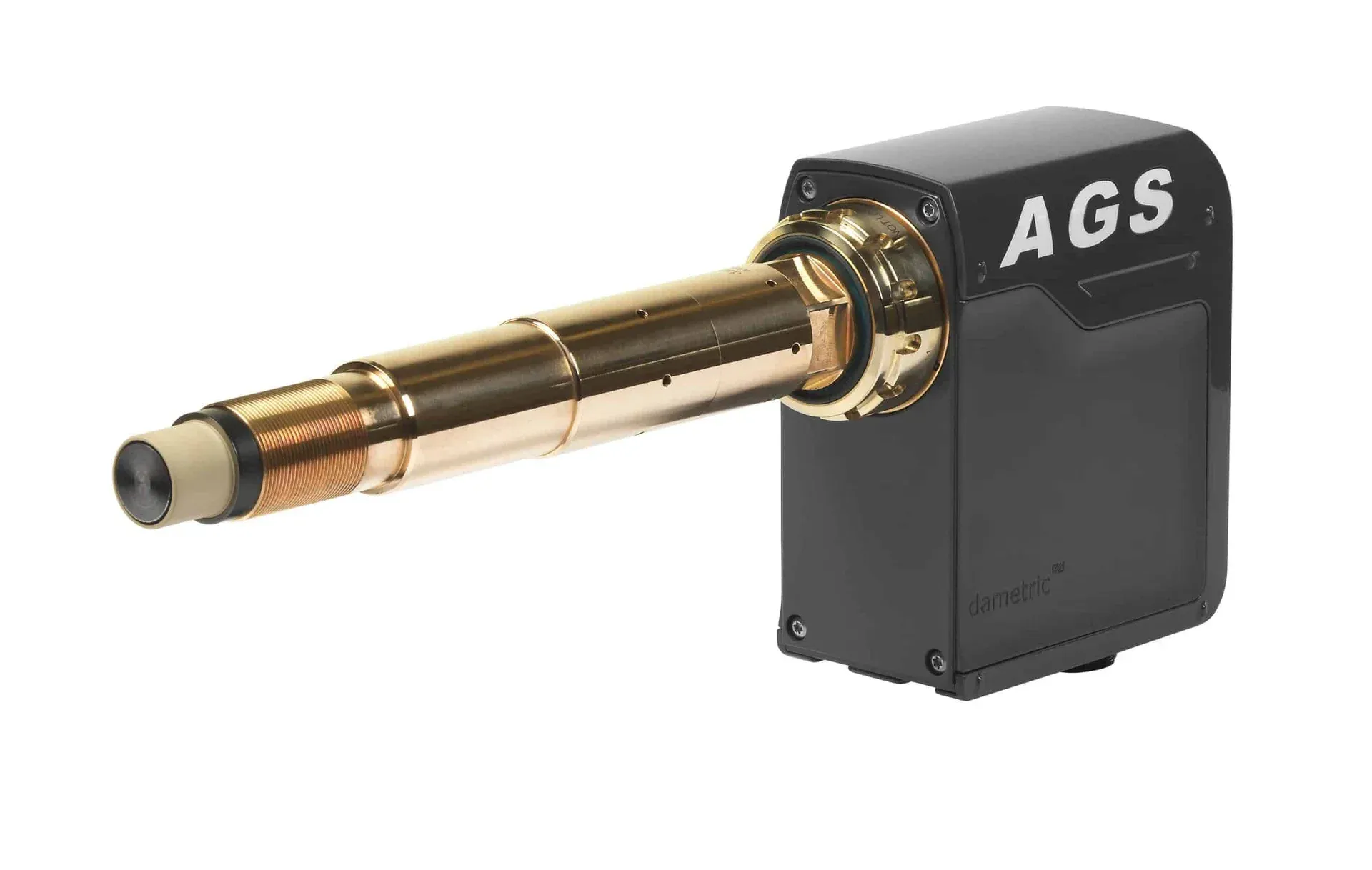 AGS Adjustable Gap Sensor The further development of the TDC: the tip moves, so calibration is automatic and independent of the operator. Read more about AGS
-
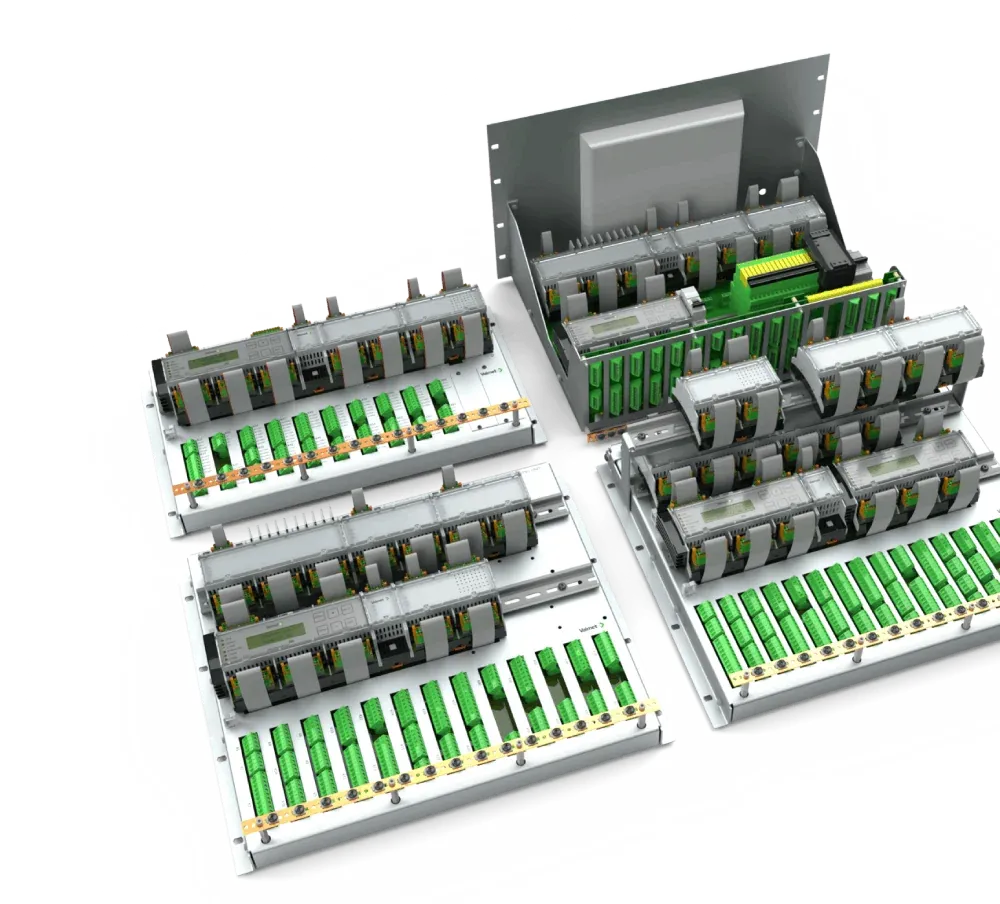 GMU Gap Monitoring Unit Our new measuring and control system for refiners, replacing the old RMS systems. Read more about GMU
Comparison
TDC or AGS?
The AGS has the same measuring tip as the TDC. The difference lies in the calibration: an AGS moves its own tip towards the rotor segment instead of moving the rotor towards the stator, which gives a safer calibration.
| Property | TDC | AGS |
|---|---|---|
| Calibration | Accuracy depends on the calibration being performed in exactly the same way each time, as the plates are moved towards each other | The sensor tip is moved towards the rotor segment, guided by the Panel PC. Independent of the operator’s judgement; the operator supervises and accepts the result |
| Risk of segment damage during calibration | The rotor and stator are moved towards each other | Minimal, the rotor and stator are not moved towards each other |
| Calibration during production | No | Possible, depending on the conditions |
| Measures | Disc clearance and temperature | Disc clearance, temperature, vibration and conductance |
| Fits | Several models for the different refiner types | All refiners that use TDC today, except Double Disc refiners |
New system
GMU – Gap Monitoring Unit
GMU is our new measuring and control system for refiners. It measures disc clearance, rotor position, vibration, temperature and pressure. It also contains electronics for stepping motor drive, and regulators for disc clearance control. GMU is available in several versions, adapted to different refiner types.
The future-proof GMU system replaces the old RMS systems. It can be mounted in the old RMS system’s place, using the same connections, which allows for very quick replacement. The GMU takes over all functions from the old RMS system and consists of fewer spare parts.
The GMU has a modern display on an attached Panel PC for mounting in the cabinet door. In addition to displaying current status, it helps with calibration procedures and troubleshooting. It contains a continuous trend logger and can be accessed remotely.
Versions
-
GMU-EX01
An affordable option for simpler refiners without TDC, with a 7″ colour display.
-
GMU-SD01
For SD refiners with AGS or TDC and a single grinding zone.
-
GMU-CD01
For CD refiners with AGS or TDC and two grinding zones.
-
GMU-RS01
Replaces RMS-RS1/DCA-02 systems. For refiners with AGS or TDC and one or two grinding zones.
FAQ
Frequently asked questions
What is the difference between a TDC and an AGS sensor?
What is the difference between RMS, GMS and GMU?
What can be measured in the refiner besides the disc gap?
How does the sensor measure the gap, and does that put requirements on the segments?
Can Dametric connect to our system remotely?
How does a changeover from RMS to GMU work?
Which GMU variant fits our refiner?
What does the Panel PC do in a GMU system?
How is the GMU connected to our control system?
Contact us
Talk to an expert in refiner control
Whether you are replacing an RMS system or choosing between TDC and AGS, tell us about your refiners and we will get back to you.